
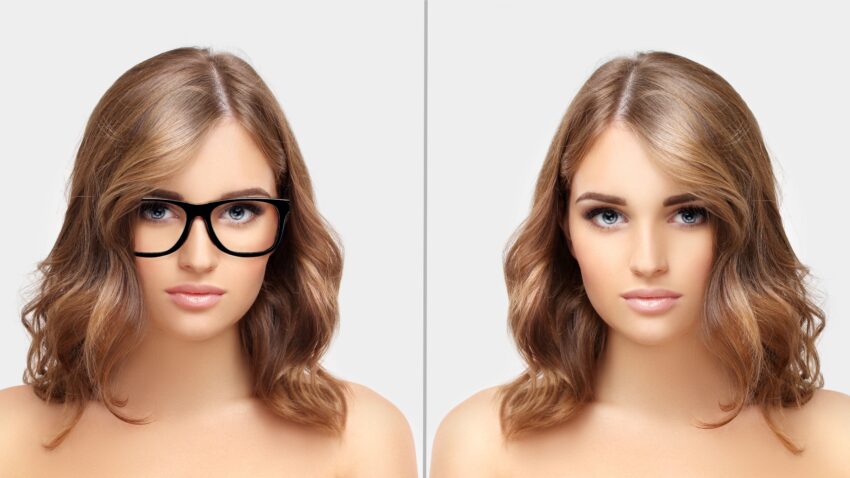
Getting a passport photo might sound like a simple task — just smile, look straight, and snap! But wait, can you wear glasses in a passport photo? This question trips up a lot of people because official rules are often super specific and a bit confusing. Let’s break down the details step by step, so you don’t end up with a rejected photo or a delayed passport application.
Why Are Passport Photo Rules So Strict?
Passport photo rules might seem overly meticulous at first glance, but there’s a good reason behind every single one of them. These photos serve as more than just snapshots for travel documents—they are official identification tools used worldwide. Border agents, airport staff, and immigration systems rely heavily on the image in your passport to verify who you are. A poor-quality or non-compliant photo can interfere with this crucial process, leading to delays, confusion, or even denial of entry.
One of the biggest reasons for strict photo guidelines is the increasing use of biometric recognition technology. Unlike a quick visual check, biometric systems use unique facial features to verify your identity. This means every detail in your photo—from the visibility of your eyes to the lack of shadows on your face—can affect whether the software accurately matches your face to your identity. If you’re wearing glasses that cause glare or your face is partially blocked, the system might fail to recognize you.
Consistency is another major factor. With millions of passports processed around the world, uniformity helps maintain global standards. It doesn’t matter whether you’re applying in New York or New Delhi—the photo rules are meant to create a level playing field. Border officers have a much easier time comparing a consistent, clear photo against the person standing in front of them. Irregularities in photo size, lighting, or facial expression make this job unnecessarily difficult.
Think of your passport photo as a visual handshake—a first impression you’re leaving with every country you visit. It represents you in digital systems and in person. When the photo is sharp, clear, and rule-abiding, it speeds things up. When it isn’t, it becomes a red flag. That’s why the requirements exist—to make sure your passport isn’t just valid on paper, but also functionally reliable everywhere you go.
Can You Wear Glasses in a Passport Photo?
The short answer: It depends. But let’s dive deeper because the rules aren’t the same everywhere—and even where they are, there are important nuances to understand. Below is a detailed list explaining when glasses are allowed, when they’re not, and under what circumstances they might be conditionally accepted:
- In many countries, glasses are now completely banned in passport photos. This includes nations like the United States and Canada, where official agencies have clearly stated that glasses must be removed, no matter the type or style.
- Some countries still allow glasses, but only under very strict conditions. These conditions usually require that the eyes remain fully visible, the frames do not cover any part of the eyes, and there is absolutely no glare or reflection from the lenses. Countries like India and Australia often fall into this category.
- Glasses with thick or colored frames can be problematic even in places where glasses are technically allowed. This is because heavy frames may obscure important facial features such as the eyebrows or the upper cheeks, both of which are critical for biometric facial recognition.
- Reflective lenses are one of the biggest reasons photos are rejected. If there’s even a hint of reflection bouncing off your lenses, the passport authority might reject the photo outright. Glare disrupts the visibility of your eyes, which are essential for both human verification and machine matching.
- Sunglasses and tinted lenses are never allowed, regardless of location. Even if you have a prescription for tinted glasses, they are typically not accepted in passport photos unless explicitly stated and documented for medical exemption.
- Medical exceptions can sometimes allow glasses in photos, but this often requires a signed doctor’s note explaining why removing them would cause harm or discomfort. Even then, the photo must still comply with clarity and visibility rules.
- In rare cases, prosthetic or permanent eyewear may be permitted. This includes glasses that are medically necessary and worn at all times. Still, the same rules apply: eyes must be clearly visible, with no obstruction or reflection.
- Rules can vary slightly between types of documents. While a country may ban glasses in passport photos, it might allow them for other forms of ID like driver’s licenses or residency permits. Always check the latest guidelines for the specific document you’re applying for.
- Do-it-yourself photo booths and mobile apps may not enforce glasses rules. Just because a photo booth lets you take a picture with glasses doesn’t mean the government will accept it. It’s your responsibility to ensure compliance with official standards.
- Glasses rules can change over time. Countries frequently update their photo policies as technology evolves. For example, the U.S. only banned glasses in 2016, and more countries may follow as biometric identification becomes more widespread.
- Passport agencies often have strict image analysis systems in place. These systems automatically detect issues like glare, shadows, or facial obstructions. Wearing glasses increases the chance of your photo failing this automated check.
Glasses Policy Overview by Country
| Country | Glasses Allowed? | Medical Exceptions | Conditions for Approval | Notes |
| United States | No | Yes, with documentation | Must prove wearing glasses is medically essential | Glasses banned since November 2016 |
| Canada | No | Rare, must be supported by a doctor | Only with explicit medical exemption | Very strict policy, no exceptions for regular wear |
| United Kingdom | Generally no | Yes, if medically necessary | Eyes must be fully visible, no glare or reflections | Mild flexibility; enforcement varies at local offices |
| Australia | Yes | Not required unless tinted lenses | Frames must not cover eyes, no glare, clear visibility of eyes | Allows glasses but with strict lighting and frame rules |
| India | Yes | Not typically required | No reflections or shadows on lenses, eyes must be fully visible | Generally relaxed; compliance depends on photo quality |
| Germany | Generally no | Only with strong justification | Minimal frame interference, clear eye visibility | Aligns with EU-wide biometric standards |
| France | No | Yes, but rarely accepted | Same as Germany | Follows EU biometric ID standards |
| Italy | Mostly no | Only in documented medical cases | Must avoid frame obstruction and reflections | Enforcement may vary by municipality |
| Japan | No | Occasionally allowed with reason | Eyes must be visible, no lens glare | Strict adherence to machine-readable photo rules |
| United Arab Emirates | Yes | Not required | No glare, no covering of eyes or eyebrows | More lenient compared to Western countries |
When Can You Wear Glasses?
Although many countries have implemented strict no-glasses policies for passport photos, there are a few notable exceptions that provide some leeway under specific circumstances. The most commonly accepted reason for wearing glasses in a passport photo is medical necessity. If removing your glasses would cause discomfort, interfere with your vision due to a recent surgery, or exacerbate a diagnosed eye condition, passport agencies may accept your photo with glasses—provided the image still meets all visibility requirements. However, this often demands official medical documentation, such as a signed statement from a healthcare provider explaining why the glasses cannot be removed.
In rare situations, prosthetic or specialized glasses that are permanently worn may also be permitted. These aren’t regular prescription glasses but are instead devices integral to the person’s daily life or physical appearance, making them impossible or impractical to remove. Again, the final decision rests with the issuing authority, and clear visibility of the facial features—particularly the eyes—remains a non-negotiable requirement. The photo must still conform to biometric standards, so even medically necessary eyewear can’t interfere with facial recognition accuracy.
For individuals in countries where glasses are allowed or accepted with conditions, attention to detail becomes essential when taking the photo. Any reflections, glares, or shadows on the lenses could result in the photo being rejected, even if the glasses themselves are technically allowed. Likewise, frames should be slim enough that they don’t block the eyebrows or eyes. Tinted or photochromic lenses are a definite no-go, as they obscure eye color and reduce visibility—two critical components for identification and security checks.
Ultimately, if you must wear glasses in your passport photo, it’s crucial to approach the process with extra care. Whether you’re doing it due to a medical reason or simply because your country still allows it, the goal is the same: make sure your eyes are clearly visible, your expression is neutral, and there’s no visual interference caused by your eyewear. In some cases, consulting a professional photographer familiar with passport photo guidelines may be the smartest way to ensure your image won’t be rejected or delayed during the application process.
Common Mistakes People Make With Glasses in Passport Photos
Even though the rules about glasses in passport photos might seem straightforward, many people still get tripped up. These small missteps can cause major delays in your passport application—or worse, lead to outright rejection. Below is a detailed list of the most frequent mistakes travelers make when it comes to wearing glasses in their passport photos:
- Wearing glasses in countries that have banned them entirely. This is probably the most common error. People assume that because they wear glasses daily, it’s fine to keep them on for the photo. But in countries like the U.S. and Canada, it doesn’t matter how subtle or stylish your frames are—if the rules say no glasses, you have to take them off.
- Using photos with sunglasses or transition lenses. Even if you’re trying to look cool or your lenses naturally darken in sunlight, any photo where your eyes are obscured is a guaranteed no-go. Passport officials need to see your eyes clearly for biometric recognition. Tinted lenses will almost always lead to a rejection.
- Having glare or reflections on the lenses. If the lighting is poor or not set up correctly, the flash or ambient light can bounce off your lenses. This glare can partially or completely hide your eyes, making your photo unusable—even if glasses are technically allowed in your country.
- Wearing frames that are too thick or decorative. While fashionable, oversized or ornate glasses can cover up key parts of your face like your eyes, eyebrows, or upper cheeks. This obstructs important biometric markers and will likely result in a rejected photo.
- Forgetting to remove glasses in a photo booth. Many self-service kiosks don’t enforce passport photo rules. You might take a photo that looks okay, but the passport office will reject it because you’re wearing glasses. It’s your responsibility to know the rules—not the machine’s.
- Leaning on old habits or outdated photos. Some people try to reuse old passport or visa photos that were taken years ago when the rules were different. What was acceptable five years ago might not be acceptable today—especially if your country recently banned glasses.
- Tilting your head or adjusting your glasses mid-shot. In a bid to reduce glare or fit better in the frame, people sometimes tilt their heads or touch their glasses while the photo is taken. This disrupts the symmetry of the image and can make it unusable.
- Using heavily filtered or edited images. If you’re taking your own passport photo at home, using filters or image enhancers might accidentally make your glasses look clearer—but they also distort the realism of the image, which can result in rejection.
Step-by-Step Guide to Taking the Perfect Passport Photo With or Without Glasses
| Step | What to Do | If Glasses Are Allowed | If Glasses Are Not Allowed | Additional Tips |
| Check official guidelines | Visit the passport agency’s website for updated photo rules | Confirm if glasses are permitted and under what conditions | Confirm glasses are banned; follow strictly | Rules change often—check before every application |
| Determine glasses policy | Understand the policy based on your country and document type | Proceed with caution—ensure you meet every requirement | Remove your glasses completely | Some countries allow glasses for other IDs, but not passports |
| Prepare lighting | Use diffused, balanced lighting from both sides | Adjust lighting to eliminate glare on lenses | Lighting should evenly illuminate face | Avoid overhead lighting and shadows under the eyes |
| Set up the background | Use a plain white or off-white, non-textured background | Same rules apply—background must not distract from your face | Same as for glasses wearers | No patterns, furniture, or shadows in the background |
| Align your face | Keep your head centered, facing forward, eyes open | Ensure glasses are aligned, and face is not tilted | Face forward naturally, no head tilt | Don’t raise eyebrows or squint to avoid glare |
| Check eye visibility | Make sure your eyes are 100% visible in the photo | No glare, no reflections, no frame obstruction | Not applicable—no glasses should be worn | Eyes must be visible from corner to corner and naturally open |
| Review glasses frame style | Avoid thick, colored, or decorative frames | Choose thin, minimal frames that don’t hide facial features | Not applicable—remove all frames | Rimless frames reduce the risk of eye coverage |
| Maintain facial expression | Use a neutral expression, closed mouth, no smile | Don’t adjust glasses mid-photo; look naturally at the camera | Same expression rule applies | Avoid expressive eyebrows or exaggerated frowning |
What About Other Types of Eyewear?
When it comes to passport photos, not all eyewear is treated equally. While standard prescription glasses already come with a long list of conditions or outright bans, other types of eyewear are generally handled with even stricter rules. For example, sunglasses are never allowed in passport photos, regardless of whether they are prescription or not. The reasoning is simple: sunglasses obscure the eyes completely, which makes them unusable for identification and facial recognition. Even transitional lenses that darken in sunlight can be problematic, especially if the photo was taken outdoors and the lenses appear tinted.
Contact lenses, on the other hand, are usually considered the most passport-friendly form of vision correction. They don’t alter your appearance or obstruct any part of your face, so you can wear them without worrying about compliance. However, you should still avoid using novelty contact lenses or ones that change your natural eye color. Any attempt to artificially enhance or conceal your eye features could result in the photo being rejected or flagged during biometric processing.
Colored or tinted glasses fall into a gray area, but they are almost always discouraged or outright banned. Even if the tint is mild, it can distort the appearance of your eyes in the photo. Most passport agencies require that your eyes be clearly visible without any alterations. This means photochromic lenses or lightly tinted glasses that you may wear for comfort or style are not acceptable for a passport image. Agencies want to capture your face exactly as it is under natural lighting, without interference from lens tints or shadows.
Specialized eyewear such as safety goggles, sports glasses, or medical devices might be worn daily by some individuals, but they still can’t be worn in a passport photo unless pre-approved. In cases where these items are medically necessary, applicants are usually required to present an official letter from a physician explaining why the eyewear cannot be removed. Even then, the final decision is up to the passport authority, and the eyewear must not interfere with the visibility of your facial features. If it does, you may still be asked to submit a new photo without the device or consider alternative documentation options.